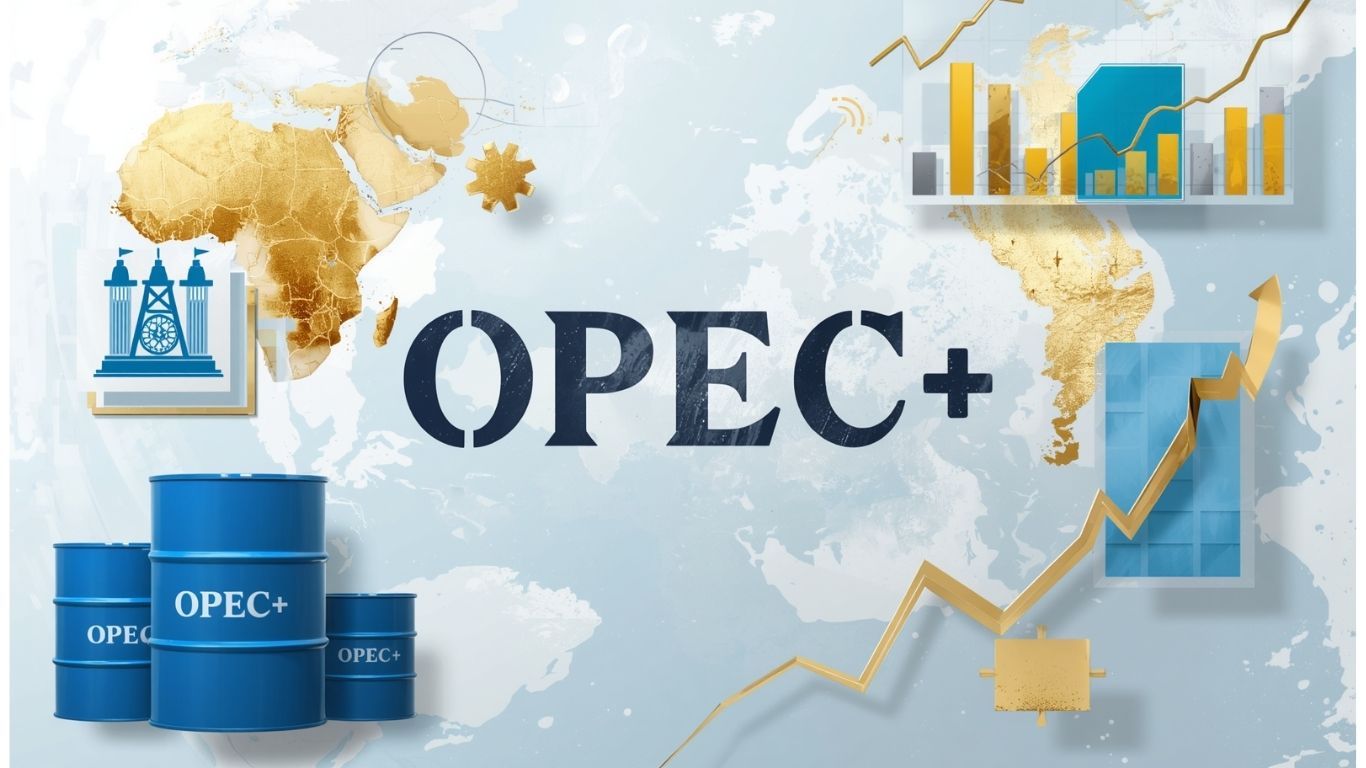
In light of the escalating geopolitical tensions in the Arabian Gulf region and the consequent severe turmoil in energy markets, the OPEC+ alliance continues its moves aimed at rebalancing the global oil market, announcing the approval of the third increase in oil production since the crisis of the closure of the Strait of Hormuz, in a step that reflects a growing awareness of the sensitivity of the stage and the need for deliberate intervention to contain the volatility.
Since the closure of the strait, one of the world’s most important energy supply arteries, markets have been plunged into a wave of anxiety and uncertainty, driven by fears of supply shortages and rising transportation and insurance costs. This was quickly reflected in prices that saw sharp rises, before they began to fluctuate under the influence of political statements and production moves by major countries. In the midst of this complex landscape, the OPEC+ alliance has found itself facing a new test of its ability to manage crises and maintain market stability.
The recent decision to increase production, the third of its kind since the outbreak of the crisis, did not come in isolation from a broader context of economic and political calculations. The member states of the alliance are aware that continued excessively high prices could have a negative impact on the global economy, fueling inflation and slowing growth, which could ultimately lead to a decline in oil demand. In this sense, the trend towards increasing supply has come as a tool to contain prices within an acceptable and balanced range between the interests of producers and consumers.
It is estimated that the new increase has been carefully distributed among member states, with a focus on countries with surplus production capacity that enables them to pump additional quantities in a short time. This approach reflects the Alliance’s keenness to avoid any sudden shocks in the market, while maintaining a degree of discipline in production levels to prevent a large surplus that could lead to a price collapse.
On the other hand, this decision cannot be separated from the growing international pressure, especially by major industrialized countries that seek to ease the burden of rising energy prices on their economies. These countries have directly and indirectly pressured the OPEC+ alliance to increase production, in an attempt to calm markets and rein in prices. While the alliance tries to maintain the independence of its decisions, it does not ignore the importance of the stability of the global economy as a factor in sustaining oil demand.
At the market level, the announcement of the third increase caused a mixed reaction, as prices recorded a relative decline following the decision, indicating partial relief among investors. However, this decline remained limited, in light of the continued uncertainty related to the future of the situation in the Strait of Hormuz, which kept the market in a state of constant anticipation for any new developments that may reshuffle the cards.
Broadly, the OPEC+ move reflects an attempt to maintain a delicate balance between several intertwined considerations, including protecting the oil revenues of producing countries, ensuring market stability, and dealing with escalating geopolitical challenges. It also reveals a remarkable evolution in the alliance’s working mechanisms, which have become more dependent on flexibility and gradual decision-making, rather than sharp moves that may exacerbate volatility.
Despite these efforts, challenges remain, as the Alliance faces difficulty in ensuring that all its members adhere to specific production quotas, as well as variation in production capacities between countries. Competition from outside the Alliance, particularly from shale oil producers, remains a stressor that may limit the effectiveness of any production increases if used to boost market shares.
At the same time, structural shifts are on the horizon that could reshape the energy market in the long term, as recurring crises prompt many countries to accelerate their plans to shift to alternative energy sources, with the aim of reducing dependence on oil and enhancing their energy security. This presents the OPEC+ alliance with the additional challenge of maintaining oil’s position as a major source of energy in a world that is gradually diversifying.
Ultimately, the OPEC+ alliance’s decision to approve a third increase in oil production since the closure of the Strait of Hormuz reflects a calculated attempt to deal with one of the most complex crises in the global energy market. As the alliance seeks to calm markets and restore stability, the success of these efforts will depend on developments in the geopolitical landscape, and the extent to which the various parties are able to avoid escalation and maintain the flow of supplies through one of the world’s most vital corridors.